
ONDA Body Contouring in Korea: The Non-Invasive Fat Reduction That Actually Delivers
ONDA body contouring Korea is a non-invasive microwave treatment designed to gently dissolve stubborn fat while tightening skin, offering a compassionate alternative for those who struggle with diet and exercise alone. By delivering targeted energy beneath the surface, this Korean aesthetic technology warms and eliminates fat cells without surgery or downtime, helping you feel more comfortable and confident in your own body. The procedure works over a short session, with most clients experiencing gradual, natural-looking results that support their wellness journey.
What Exactly Is ONDA Body Contouring and How Does It Work?
ONDA body contouring in Korea is a non-invasive fat reduction treatment that uses focused microwave technology to selectively heat and destroy adipose tissue beneath the skin without damaging the surface. The device’s applicator emits energy at a precise depth (around 1–2 cm) to raise fat cell temperature to roughly 45–47°C, triggering apoptosis—natural cell death—while leaving nerves, muscles, and skin intact. Over the following two to three weeks, your lymphatic system flushes out the destroyed fat cells, resulting in gradual circumference reduction. In Korean clinics, ONDA is typically used for the abdomen, flanks, and upper arms, with sessions lasting 30–45 minutes and requiring no anesthesia or downtime. Your body naturally eliminates the disrupted fat cells, so results become visible within two to four weeks and continue improving for up to three months. A common question: *“How many ONDA sessions are needed in Korea?”* Most practitioners recommend three to four sessions, spaced four weeks apart, to achieve optimal tightening and fat loss—though your exact plan depends on baseline tissue thickness and skin laxity.
The Technology Behind the Microwave-Like Heat: Breaking Down the Mechanism
ONDA’s core technology hinges on a focused microwave-like heat delivery system that penetrates the dermis to reach subcutaneous fat layers without damaging the skin’s surface. The device emits waves at 2.45 GHz, which selectively agitate water molecules within adipocytes. This rapid molecular friction generates controlled thermal energy, raising fat cell temperature to approximately 45–50°C. At this precise threshold, cell membranes destabilize, triggering apoptosis—a natural, programmed breakdown of fat cells. The body’s lymphatic system then metabolizes and drains these destroyed cells over the following weeks. Crucially, the applicator integrates a cooling mechanism that maintains the epidermis at a safe temperature, ensuring the heat remains confined to deeper tissue while maximizing patient comfort.
Why It Feels Like a Warm Massage Instead of Painful Fat Freezing
Unlike the jarring suction and intense cold of traditional fat freezing, ONDA body contouring Korea swaps that shock for a soothing thermal wave. Because it uses microwaves to heat the deep fat layer while the surface is actively cooled, your skin only registers a gentle, prickly warmth—almost like a hot stone massage. There’s no clamping pressure or numbing ache, just a relaxed sensation that builds gradually. You feel the non-invasive fat reduction warmth spread across the treatment area, making the session feel like a lazy spa break. The process is intuitive: first, a warm flush rises; then, a steady, cozy heat settles in; finally, a cool mist calms the skin—all without a single moment of pain.
Which Areas of the Body Respond Best to This Korean Treatment?
ONDA body contouring in Korea achieves its most dramatic results on **stubborn, localized fat deposits** that resist diet and exercise, particularly the abdomen, love handles, and inner/outer thighs. The treatment’s focused radiofrequency energy precisely targets these fibrotic fat pockets, making the submental area (double chin) and upper arms exceptionally responsive due to their thinner skin and higher fat density. For the flanks and lower back, ONDA’s controlled heating tightens the overlying skin while disrupting fat cells, yielding a smoother silhouette. Which areas see the least benefit? Visceral fat around organs and very lax, post-pregnancy skin respond poorly; ONDA works best on pinchable fat with moderate elasticity. Clinics in Korea prioritize these zones because the device’s cooling system protects surrounding tissue, ensuring safe, contour-focused remodeling.
Targeting Stubborn Belly Fat, Love Handles, and Thighs
When targeting stubborn belly fat, love handles, and thighs with ONDA body contouring in Korea, the treatment excels by using microwave energy to thermally disrupt fat cells without damaging surrounding tissue. For the **stubborn lower abdomen and flank area**, the applicator’s precise depth control allows practitioners to tighten the skin while melting fat, addressing the fibrous, diet-resistant pockets that often remain after exercise. On the thighs, ONDA’s even energy distribution smooths uneven contours and reduces circumference, particularly around the inner and outer zones. A typical session feels like a deep, heating massage, and multiple treatments yield visible slimming over 4–6 weeks. Below is a quick breakdown:
| Area | Key ONDA Benefit | Typical Sessions |
|---|---|---|
| Belly fat | Deep dermal heating tightens lax skin | 3–5 |
| Love handles | Focal targeting of flank bulges | 3–4 |
| Thighs | Guided smoothing of inner/outer curves | 4–6 |
Using It on Arms, Bra Lines, and Submental Fat Under the Chin
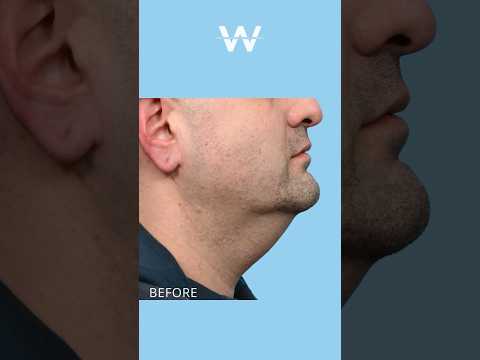
When applied to the arms, bra lines, and submental fat under the chin, ONDA’s micro-focused microwave energy targets subcutaneous adipocytes without damaging the overlying dermis, making these thin-skinned zones surprisingly tractable. The arms benefit from the handpiece’s ability to treat the posterior and anterior compartments evenly, reducing the “batwing” laxity contribution by tightening collagen concurrently. Bra line bulges, often fibrotic from constant garment pressure, require higher energy stacking; ONDA’s real-time temperature feedback prevents burns while disrupting that resistant fat. For submental fat, the small applicator tip allows precise sculpting of the pre-platysmal layer, avoiding the marginal mandibular nerve. Bra line and submental contouring demand slower, layered passes to achieve visible reduction without irregular depressions. Typically, one to three sessions suffice, with mild swelling resolving within days.
- Arm sessions average 20–30 minutes, covering both sides in one visit.
- Bra line treatment requires marking the exact roll area before energy delivery.
- Submental fat shows 20–30% thickness reduction after two sessions, per clinical observations.
- Downtime is minimal—only transient redness or tenderness at each site.
What Does a Typical Treatment Session in Korea Look Like?
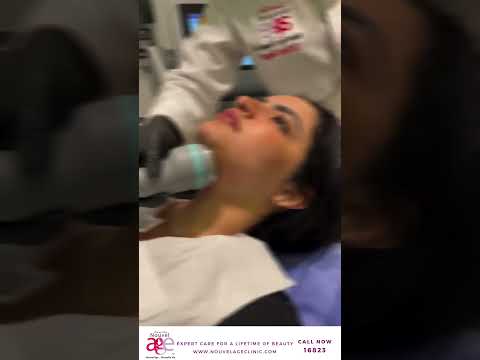
A typical ONDA body contouring session in Korea is refreshingly straightforward. You’ll start with a quick consultation where the technician marks your target areas, then you lie down on a comfortable bed while the sleek ONDA handpiece glides over your skin. The treatment itself feels like a warm, deep massage rather than a painful procedure, and most sessions wrap up in under 30 minutes—perfect for squeezing in during a lunch break. There’s no downtime, so you can head straight back to exploring Seoul afterwards, though clinics often suggest drinking extra water to flush out treated fat cells. *The exact number of passes depends on your specific concern, but the process stays blissfully consistent across Gangnam’s top shops.* You’ll typically need a series of three to five visits, spaced a couple weeks apart, to see the smoothing effect fully settle in, and each appointment ends with a quick photo to track your progress.
Step-by-Step Guide From Consultation to Post-Treatment Care
Your ONDA body contouring journey in Korea begins with a consultation where a specialist assesses your skin laxity and fat distribution, then customizes a treatment plan. On the session day, you lie down while the handheld device delivers controlled radiofrequency energy, typically lasting 20–40 minutes with a warming sensation. Afterward, there is no downtime, but clinicians recommend drinking water and light lymphatic massage to optimize results. Post-treatment care focuses on hydration and consistent follow-ups, with a review visit at 4–6 weeks to evaluate progress and schedule touch-ups if needed.
- Arrive with clean skin, avoiding lotions on the target area.
- Expect a cooling gel application before the probe glides over your skin.
- Maintain a stable weight and wear compression garments only if advised for 24 hours.
How Long Each Session Lasts and How Many You’ll Likely Need
Each ONDA body contouring session in Korea typically lasts between 30 and 45 minutes, depending on the treatment area size—smaller zones like the arms take closer to 30 minutes, while larger regions such as the abdomen or thighs run the full 45. Most clinics recommend a series of three to five sessions spaced two to four weeks apart to achieve visible fat reduction and skin tightening. Your exact total will depend on your starting tissue thickness and desired outcome, but you should expect a minimum of three sessions for meaningful results. A consultation usually confirms your personalized schedule before the first appointment, so plan your stay accordingly.
What Results Can You Realistically Expect and When Do They Appear?
With ONDA body contouring in Korea, you can realistically expect a visible reduction in circumference and noticeably firmer, tighter skin rather than dramatic weight loss. The first subtle changes—often a smoother texture and mild tightening—typically appear within **2 to 3 weeks** after your initial session, as your body begins its natural collagen-remodeling process. The most significant, measurable results, however, become apparent between **6 to 12 weeks post-treatment**, when deeper fat cells have been permanently eliminated and lymphatic drainage peaks. Most patients in Seoul’s top clinics see their final outcome after a series of 3 sessions spaced 3–4 weeks apart, with continued improvement for up to six months. Remember that results plateau if you don’t maintain a stable weight, so realistic expectations hinge on consistency and healthy habits.
Immediate Skin Tightening vs. Gradual Fat Reduction Timelines
Unlike surgical options, ONDA body contouring in Korea separates its outcomes into two distinct timelines: immediate collagen contraction and delayed fat metabolism. Immediate skin tightening emerges within 24–48 hours post-session, as the nanosecond microwave pulses heat the dermis to roughly 65°C, causing instant protein denaturation and visible firmness. However, this effect is often subtle—a 10–15% perceived lift—because edema temporarily masks the true result. Conversely, gradual fat reduction follows a slower biological path: destroyed adipocytes undergo phagocytosis, with noticeable circumference loss starting at week 3 and peaking between weeks 8–12. Patients often misjudge the early tightening phase as the final outcome, only to see the real contour shift arrive weeks later. The logical expectation is to treat the skin response as a preview, not a conclusion, while fat clearance independently drives the lasting silhouette change across multiple sessions spaced four to six weeks apart.
How to Maintain the Effects After Your Last Session
After your final ONDA session in Korea, the visible improvement in fat reduction and skin tightening develops gradually over eight to twelve weeks, but its longevity depends entirely on your habits. To maintain the effects, adhere to a stable weight by combining a balanced diet with regular aerobic and resistance exercise, as new fat cells can expand if caloric intake exceeds expenditure. Hydration supports lymphatic drainage and metabolic processing of disrupted fat, so drink at least two liters of water daily. Protect the treated area with SPF, since collagen remodeling is vulnerable to UV damage. Most importantly, schedule a single follow-up assessment at six months to evaluate results and address any slight asymmetry before it becomes noticeable. Consistent weight stability is the foundation of lasting ONDA outcomes, so avoid crash diets or bulking cycles.
Q: How often must I exercise to maintain ONDA results?
A: Aim for 150 minutes of moderate cardio per week plus two strength-training sessions, targeting the treated zone minimally—overworking that area can paradoxically increase local fat storage due to cortisol spikes.
How Do You Choose the Right Clinic for This Procedure in Korea?
Choosing the right clinic for ONDA body contouring in Korea starts with verifying the device itself—ask for proof of the actual ONDA system, not a generic laser, and confirm the practitioner’s experience with this specific radiofrequency technology. Look for clinics that offer a personalized body analysis before treatment, because your skin laxity and fat thickness determine the correct energy settings; a clinic that skips this step is a red flag. Request before-and-after photos from Korean patients with your body type, and schedule an in-person consultation to assess the facility’s hygiene and the doctor’s direct involvement—in Seoul’s aesthetic hubs, a dermatologist or plastic surgeon who personally calibrates the probe, rather than delegating to a nurse, gives you far more control over safety and results. Compare quotes but be wary of unusually low prices; premium ONDA clinics in Gangnam typically transparently include follow-up care in the package.

Key Questions to Ask About the Device Version and Operator Experience
Before committing, ask the clinic to specify the exact ONDA device generation—older models may lack the improved cooling and energy-delivery refinements of newer versions. Inquire how many ONDA procedures the operator has performed personally, not just the clinic’s total volume, and request before-and-after photos of patients with a similar body type. Operator experience matters more than the machine itself, since handpiece placement and energy titration directly affect comfort and results. Confirm whether the same clinician handles your entire session, as some clinics rotate staff. Also ask about the standard number of sessions they recommend for your concern—over- or under-treatment signals inexperience. Device version and operator skill are the two variables you can control, so verify both in writing.
Key questions: Which ONDA generation is used? How many procedures has your specific operator performed? Do you have matching before-and-after photos? Who performs the treatment, and what session protocol do you advise?
Understanding Pricing Differences and What’s Actually Included
When comparing ONDA body contouring costs in Korea, the lowest quote rarely reflects the final bill. A base price typically covers only the device operation on a specific area, whereas comprehensive pricing includes a physician’s consultation fee, the number of applicator passes needed for your fat thickness, and a follow-up session for skin tightening assessment. Some clinics bundle a cooling gel or compression garment, while others charge separately for these consumables. Because ONDA requires multiple sessions for visible results, verify whether the quoted amount is per session or per full treatment course—a per-session price can double your total expenditure. Understanding pricing differences and what’s actually included hinges on asking for a written breakdown of session count, anesthesia type, and post-procedure check-up costs before committing.
Question: Why do two Seoul clinics quote different prices for the same ONDA area? The difference usually comes down to inclusion scope: one quote may include a doctor’s manual fat assessment and a second touch-up session, while the other charges extra for those. Always compare the total package, not the sticker price.

Who Should Avoid This Treatment and What Are the Side Effects?
ONDA body contouring in Korea isn’t for everyone—skip it if you’re pregnant, have active infections in the treatment area, or carry a pacemaker or metal implants, since the radiofrequency can interfere. People with severe chronic conditions like uncontrolled diabetes or liver disease should also sit this one out, and if you’ve got a history of keloid scarring, the heat might make things worse. On the side effects front, expect temporary redness, mild swelling, and a warm, tingly sensation right after—usually fading within hours to a day. Some folks feel a bit of soreness for 2–3 days, like you did a tough workout. *The trickiest part is that numbness can linger for a week or two, so don’t panic if your skin feels oddly distant.* Rarely, you might see small blisters or bruising if the technician pushes the energy too high, so pick a clinic in Korea that tests your tolerance first.
Suitability Based on Skin Elasticity, Body Mass Index, and Health Status
Your results with ONDA in Korea really come down to whether your body fits the treatment’s sweet spot. If your skin elasticity is already loose or severely sun-damaged, the heat-based tightening won’t lift enough to make a visible difference—you’d likely need a surgical option instead. Similarly, a healthy BMI range under 30 is ideal, because ONDA targets subcutaneous fat, not visceral fat, so it won’t help if you’re significantly overweight. Your overall health matters too: uncontrolled diabetes, active infections, or autoimmune conditions slow healing and raise burn or scarring risks. Before booking, a Korean clinic will assess these three factors—skin quality, BMI, and medical history—to confirm you’re a realistic candidate.
- Poor elasticity means you’ll see less tightening, not more—don’t expect a miracle lift.
- If your BMI exceeds 30, ONDA won’t address deep fat; you’ll waste time and money.
- Chronic illnesses like ONDA lifting seoul lupus or kidney disease may force the clinic to refuse you entirely.
- Pregnancy or recent surgery also disqualify you until your tissue stabilizes.
Common Post-Treatment Sensations Like Redness, Tenderness, and Swelling
After ONDA body contouring in Korea, most patients experience **predictable post-treatment sensations** that signal the body’s natural healing response. Redness typically fades within a few hours to a day, while tenderness and swelling peak around 48 hours and subside within three to five days. These effects are localized to the treated area and rarely require medication beyond mild over-the-counter relief. Swelling may feel uneven at first, but this asymmetry resolves as lymphatic drainage normalizes. To minimize discomfort, avoid hot showers, tight clothing, and vigorous exercise for the first 48 hours. Cold compresses and gentle hydration accelerate recovery.
- Redness is temporary and usually resolves within 24 hours.
- Tenderness feels like a mild bruise and eases with rest.
- Swelling is most noticeable on day two, then steadily decreases.
- Persistent sensations beyond five days warrant a clinic follow-up.